Versoaln

The Castle

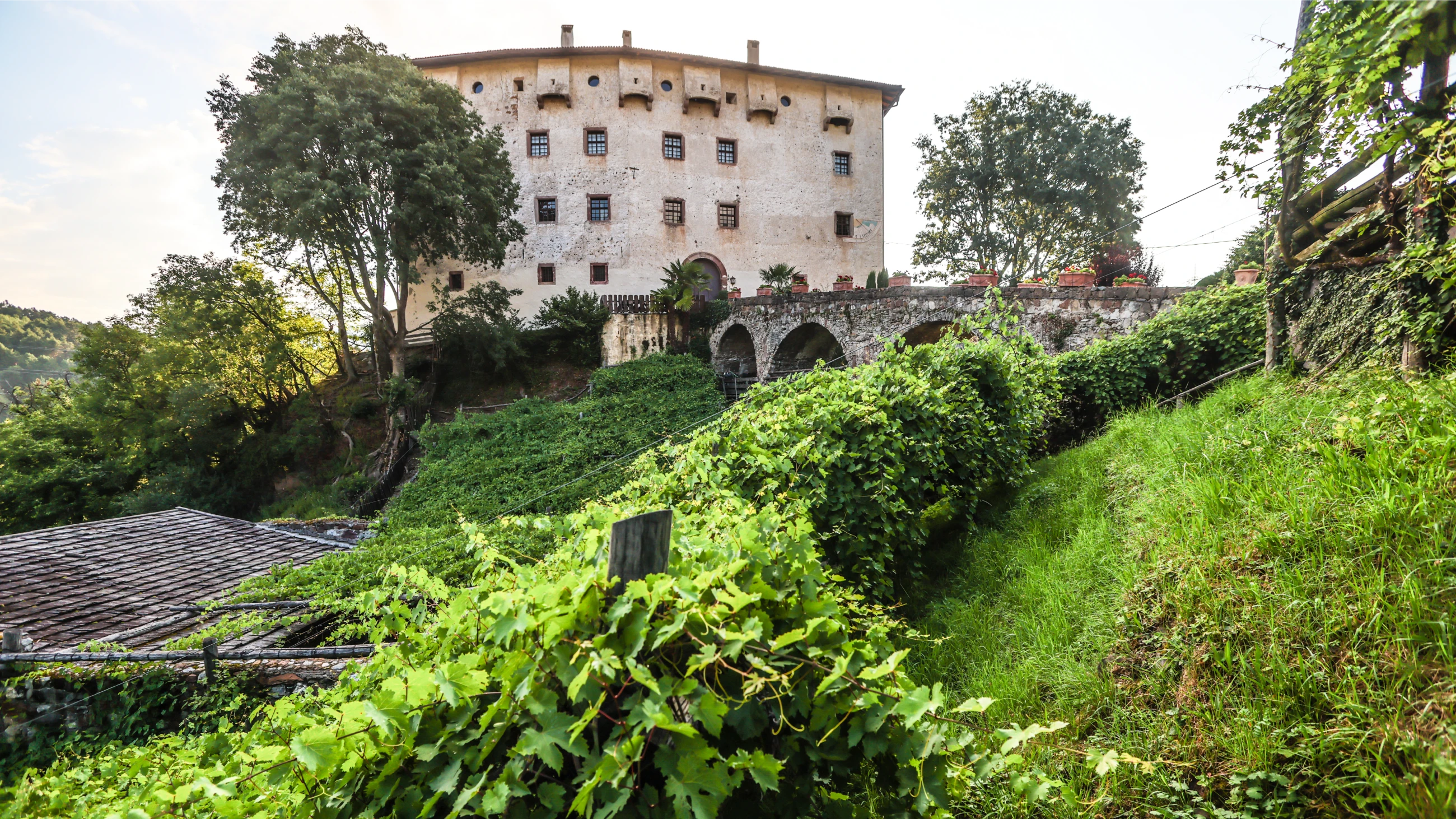
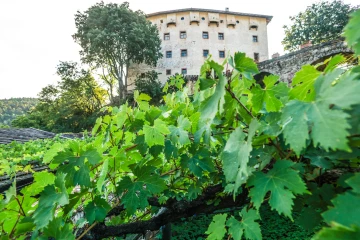
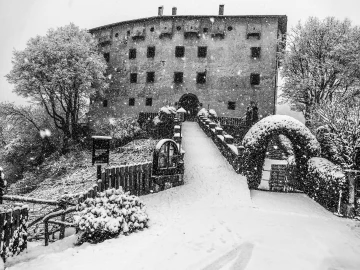
Castel Katzenzungen is located between Merano and Bolzano, in the village of Prissiano, at an elevation of approximately 600 metres on the Tisens plateau, overlooking the Adige Valley from a commanding position.

First mentioned in 1244 in documents referring to the local lord Henricus de Katzenzungen, from whom it takes its name, the estate passed through the hands of several noble families over the centuries.

In 1379, the Counts of Schlandersberg, prominent wine merchants active along the Via Claudia Augusta, recognised the exceptional suitability of these lands for viticulture. Their prosperity allowed them to acquire vineyards throughout the Adige Valley, and it was they who planted the first vine at the castle.

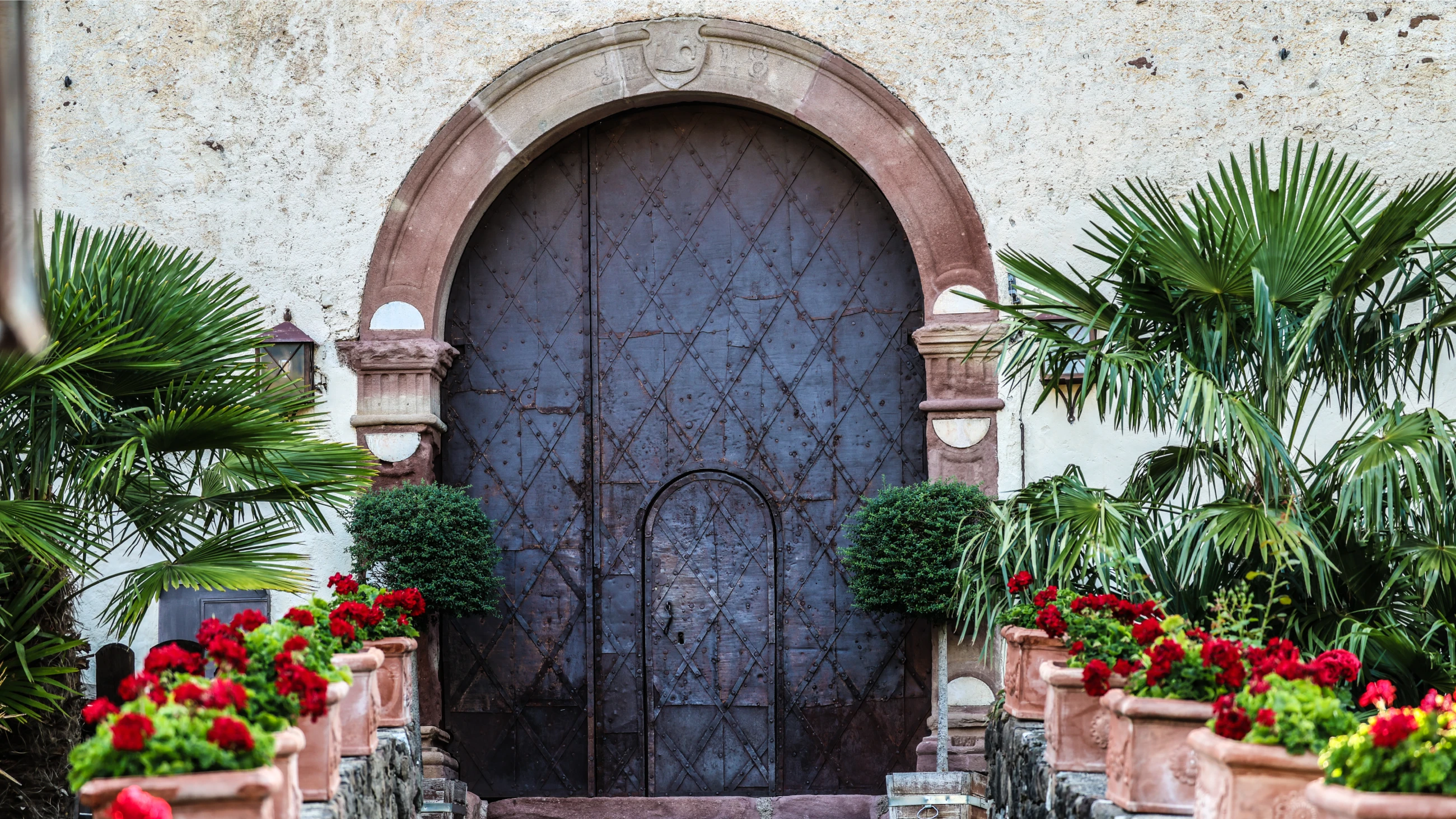
In 1534, Franz von Breisach purchased and enlarged the estate, giving it the Renaissance form that survives today. A three-arched stone bridge leads to the imposing three-storey building, distinguished by its crown of machicolations running along the façades — the sole defensive element of a residence conceived more as a place of refinement and pleasure than as a fortress. This period marked the height of the castle's splendour, when it became one of the most prestigious noble residences in the region, admired for its singular and elegant Renaissance character.

Versoaln

With the demise of the von Breisach family in the eighteenth century and after further transfers of ownership, the castle gradually assumed an essentially rural function, entering a long period of decline and abandonment.

In 1978 it was purchased by Josef Pobitzer. Then over many years his son Ernst Pobitzer supervised with passion and dedication the meticulous restoration of the castle, which eventually recovered its authentic identity as an outstanding residence.

Today, under the attentive stewardship of his children and their families, the castle hosts cultural events, weddings, tastings and exhibitions, and since 2024, it has showcased an exceptional selection of distinguished private collections and rare specimens. Above all, it remains the guardian of one of the most extraordinary viticultural treasures in Europe and in the world.

Versoaln

The Vine

An Astonishing Age

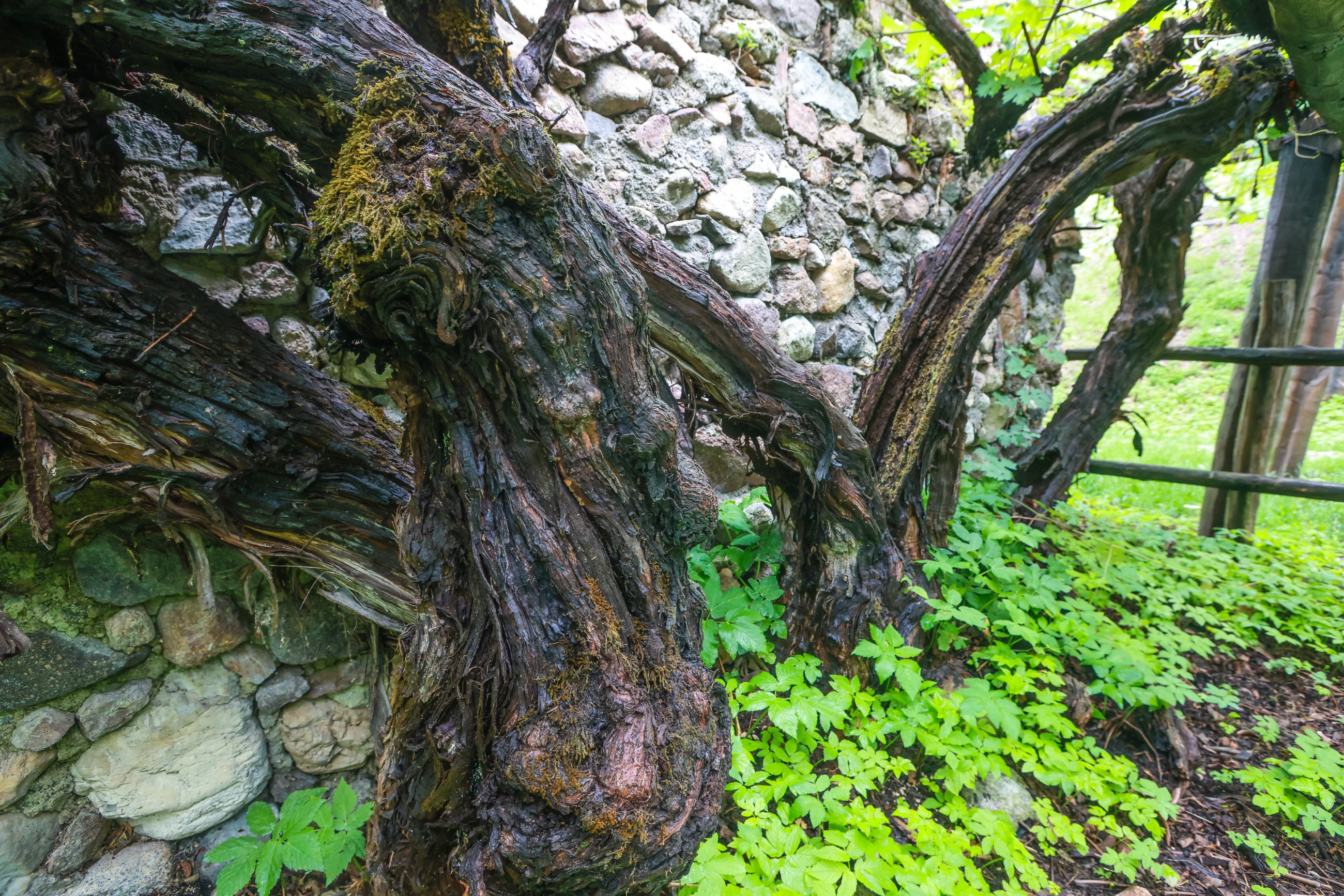
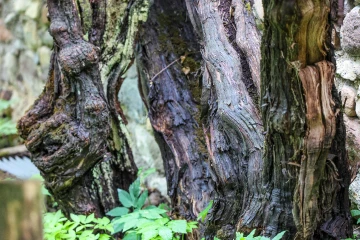
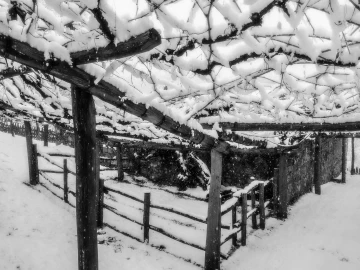
The castle's most important monument stands not within its walls, but at its feet — a living being: an ancient vine, the largest and probably oldest vine of the world.

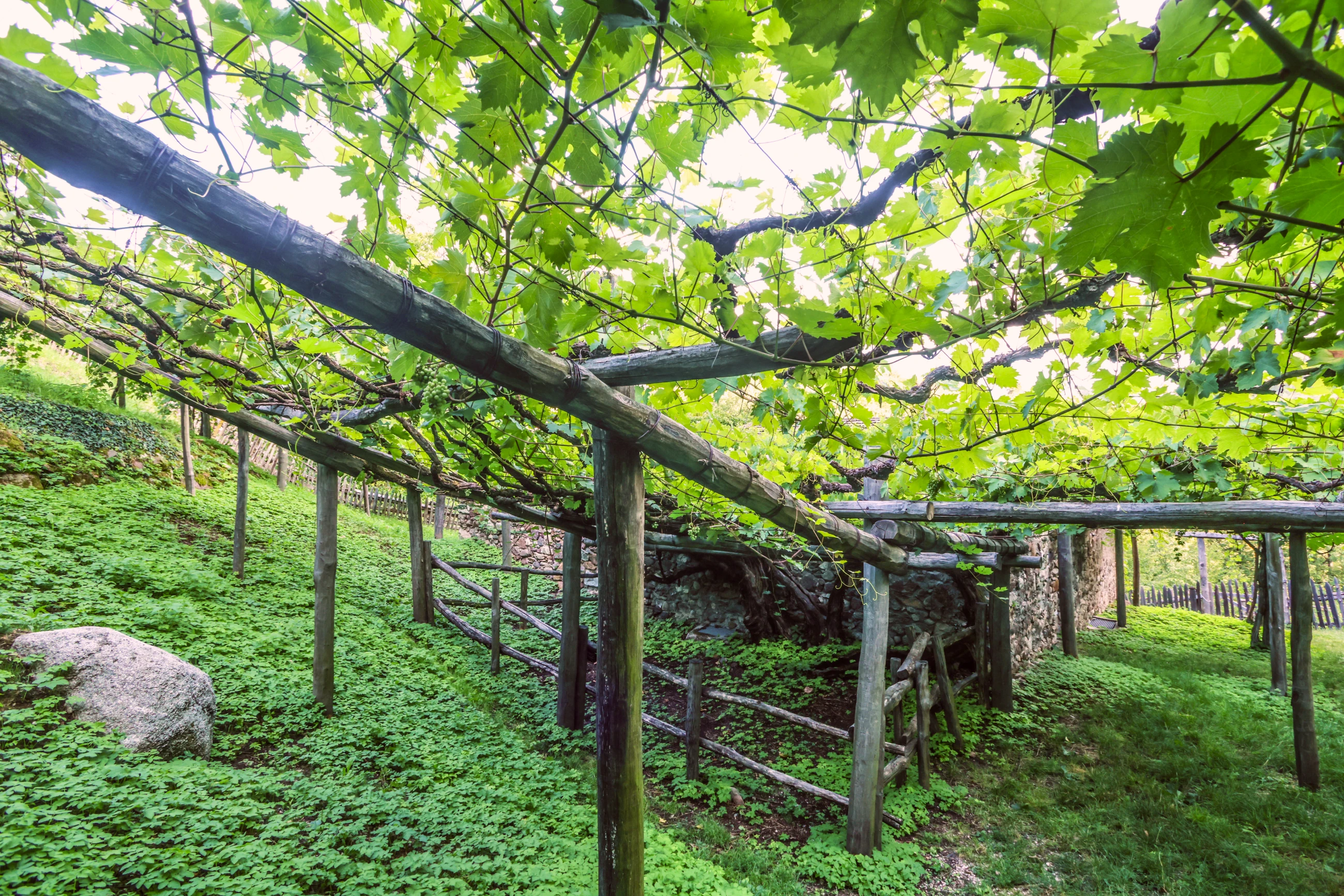
Local tradition attributes to it an age of six centuries, as recorded by the South Tyrolean historian Luis Oberrauch in his 1980 article 'Our Native Vines', published in Schlernheft number 4 to 5, where he documented both its position and the remarkable extension of its canopy, already exceeding 350 square metres.

In 2004, dendrochronological studies conducted by Professor Martin Worbes of the University of Göttingen revised these estimates, establishing a scientifically supported age of at least 350 to 380 years.

The normative procedure of sampling coupled with precise tracking of annual growth, followed by C14 analysis of the core of the vine, quickly proved to be impractical because of the advanced state of natural decay inside the trunk. This led to a change in approach, in order to avoid further damage to the plant whilst still allowing for an investigative estimation of the vine age through partial sampling and precise measurement of the diameter of the main trunk, supplemented by further tests.

This was conducted simultaneously with sampling of an historic vineyard made available by the South Tyrol Wine Museum in Caldaro to give comparative vine growth rates over the preceding 120 years.

The study was therefore complex and highly detailed. Whilst it was not possible to establish an exact date of the Versoaln vine, it produced a credible estimation of the vine’s age and left open the distinct possibility that the actual age may be even greater.

Versoaln

An Unusual Location

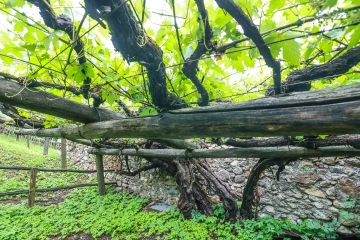
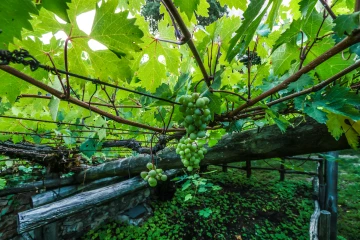
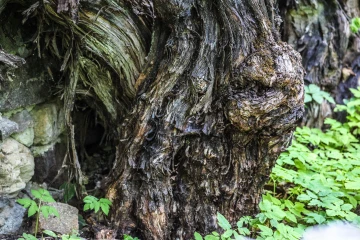
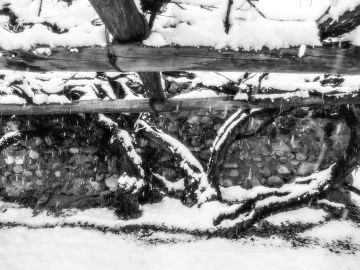
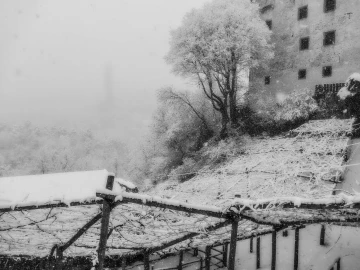
Sheltered by the stone wall of an old stable, the vine emerges from the base of the small slope upon which the castle stands.

Its exceptional longevity is likely linked in part to this unusual setting: a north-facing position on steep ground, long considered unsuitable for more intensive agriculture, where erosion gradually formed a fertile layer of humus over the underlying rock, such that neither fertilization nor irrigation was necessary.

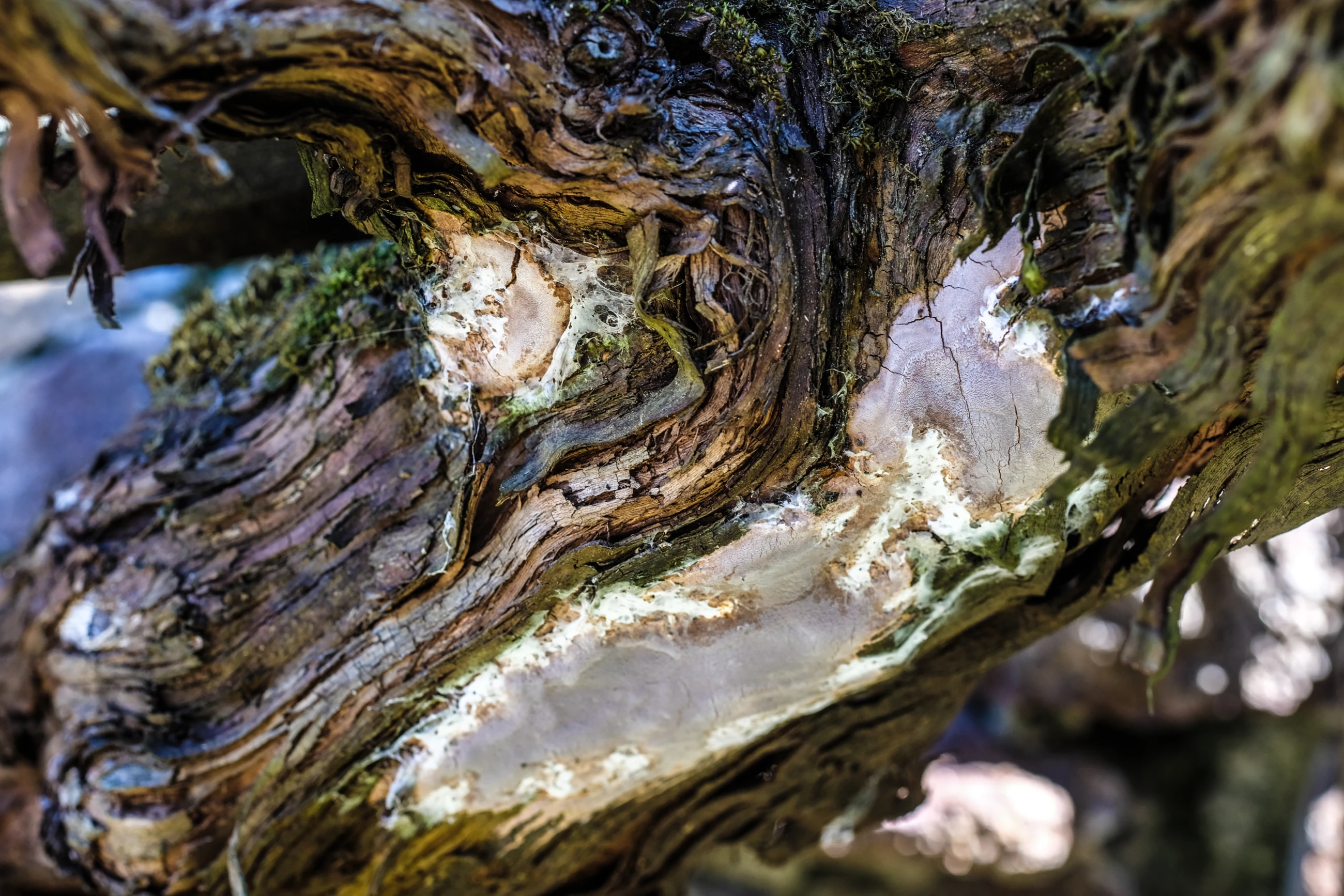
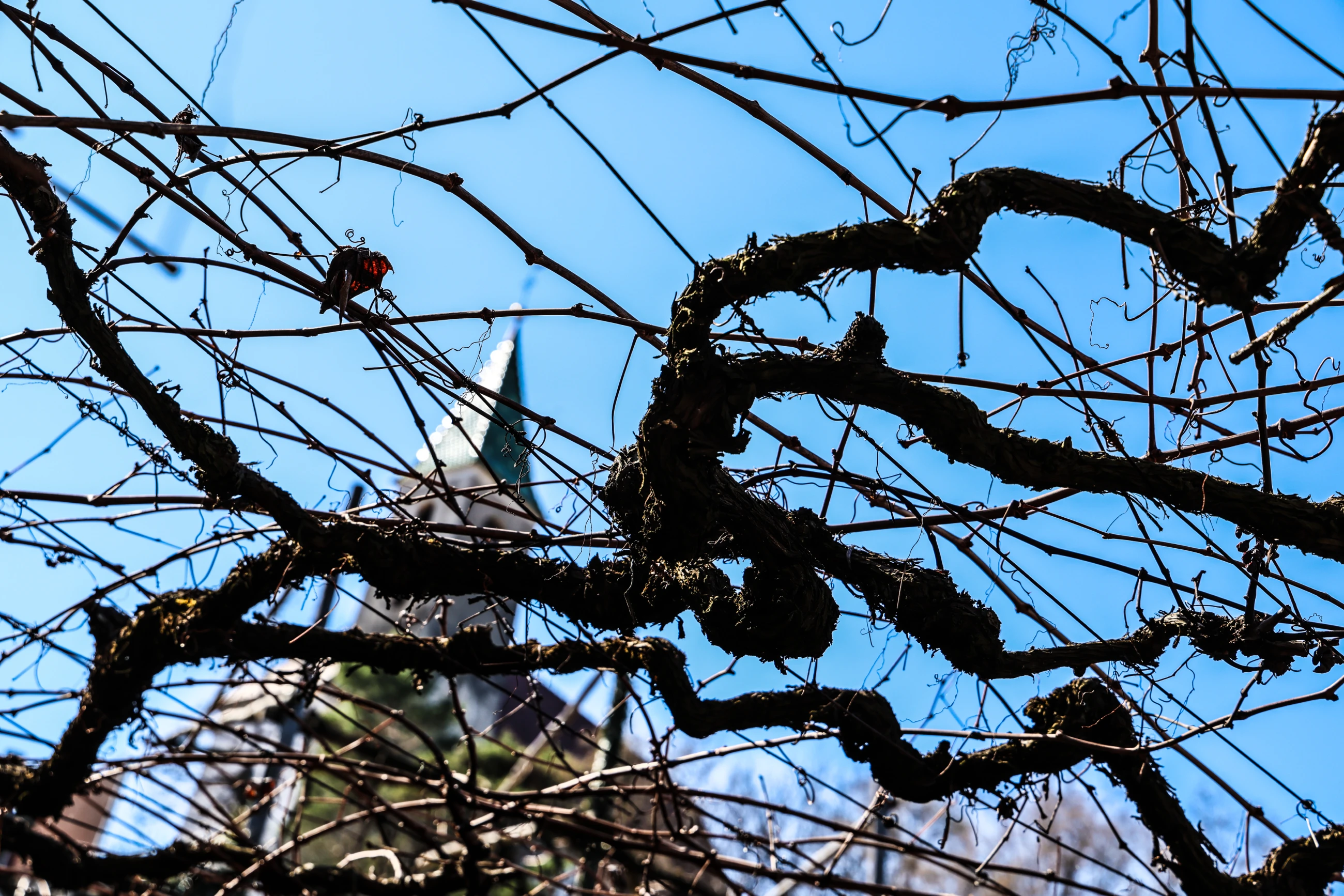
Over the centuries, the accumulation of sediment slowly covered the original trunk, so that today only the four principal branches emerge from the soil.

Versoaln

Scientific Research

Its age also indicates that the vine escaped the devastation of phylloxera, making it one of the very few surviving examples of a vine growing on its own roots, un-grafted to a resistant American rootstock.

The discovery in 2009 of traces of an old fungal infection of Esca disease initiated an important research programme by the Laimburg Research Centre. Beyond containing the disease, the study revealed that the Versoaln-Vine constitutes a complex microbiological ecosystem in itself.

As explained by Gerd Innerebner, the microorganisms living on and within the plant — its endophytes — produce insecticidal, bactericidal and fungicidal compounds capable of protecting the vine from attack. Comparative analyses carried out on plant tissues from Versoaln, a vine in Magreid and specimens preserved at Laimburg identified no fewer than 118 different species, predominantly bacteria, many of which act as natural antagonists to pathogenic organisms.

Versoaln

The Variety

The variety coincides with the vine itself and is known as Weißer Versoaln, probably originating in the lower Vinschgau Valley, yet today representing a unique and irreplaceable genetic heritage.

Research conducted by Dr José Vouillamoz of the University of Neuchâtel, after the classification of more than a thousand grape varieties, led him to conclude: "Castel Katzenzungen is certainly the only place in the world where this grape variety is cultivated."

Several interpretations exist regarding the origin of the name. The most convincing refers to the steep slopes that once characterised many vineyards in the area, where both harvests and sometimes even the workers themselves had to be "versoaln" — secured and supported by ropes.

Versoaln

Patronage

In 2006, the Gardens of Trauttmansdorff Castle in Merano assumed official patronage of the Versoaln vine on behalf of the Autonomous Province of Bolzano-South Tyrol, marking a decisive moment in its protection and recognition. Until then, unlike the celebrated Stara trta of Maribor in Slovenia, often regarded as the world’s oldest vine, Versoaln had remained largely unknown and scarcely studied.

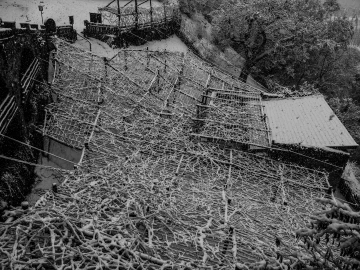
Already identified during the 1980s by the Provincial Office for Cultural Heritage as a natural monument of South Tyrol and the largest vine in Europe, with its extraordinary canopy extending over approximately 350 square metres, only in the early years of the new century did historical and scientific research begin to reveal its true significance as both a symbol of South Tyrolean wine culture and a heritage of international relevance.

Today, Versoaln stands as a witness to time itself: producing wine through centuries of history and across changing epochs, carrying within its roots memories that long predate our own. It preserves a botanical rarity and cultural value that distinguish it from every other historic vine known in Europe and elsewhere in the world, none of which possess comparable documented characteristics.

Versoaln

The Wine

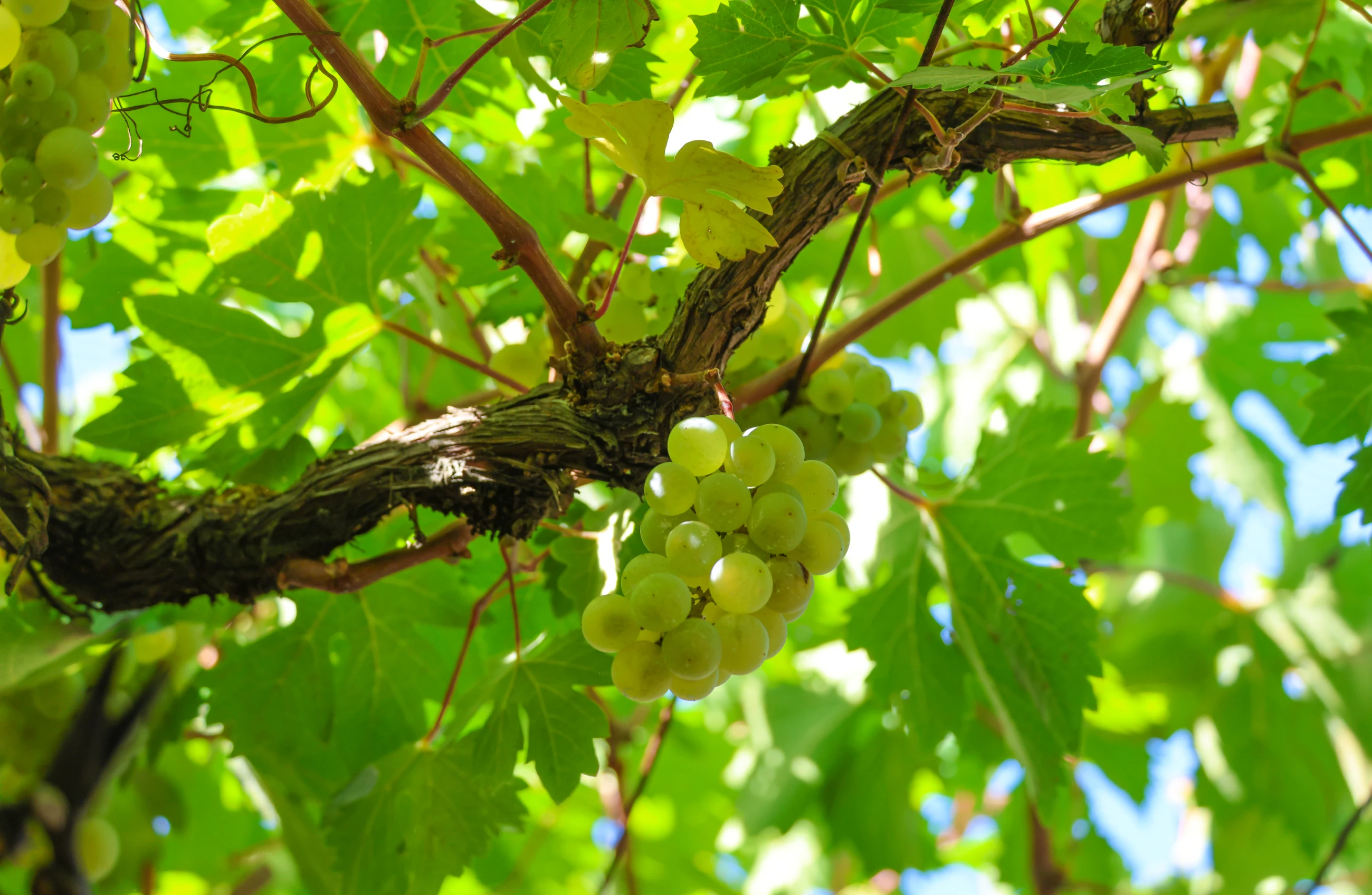
The traditional chestnut pergola training system, an altitude of 600 metres above sea level, northern exposure and poor porphyry soils would ordinarily be considered challenging conditions for viticulture. Here, however, they become the defining elements of Versoaln's profoundly alpine character and singular identity, while unexpectedly proving advantageous in the face of contemporary climatic change.

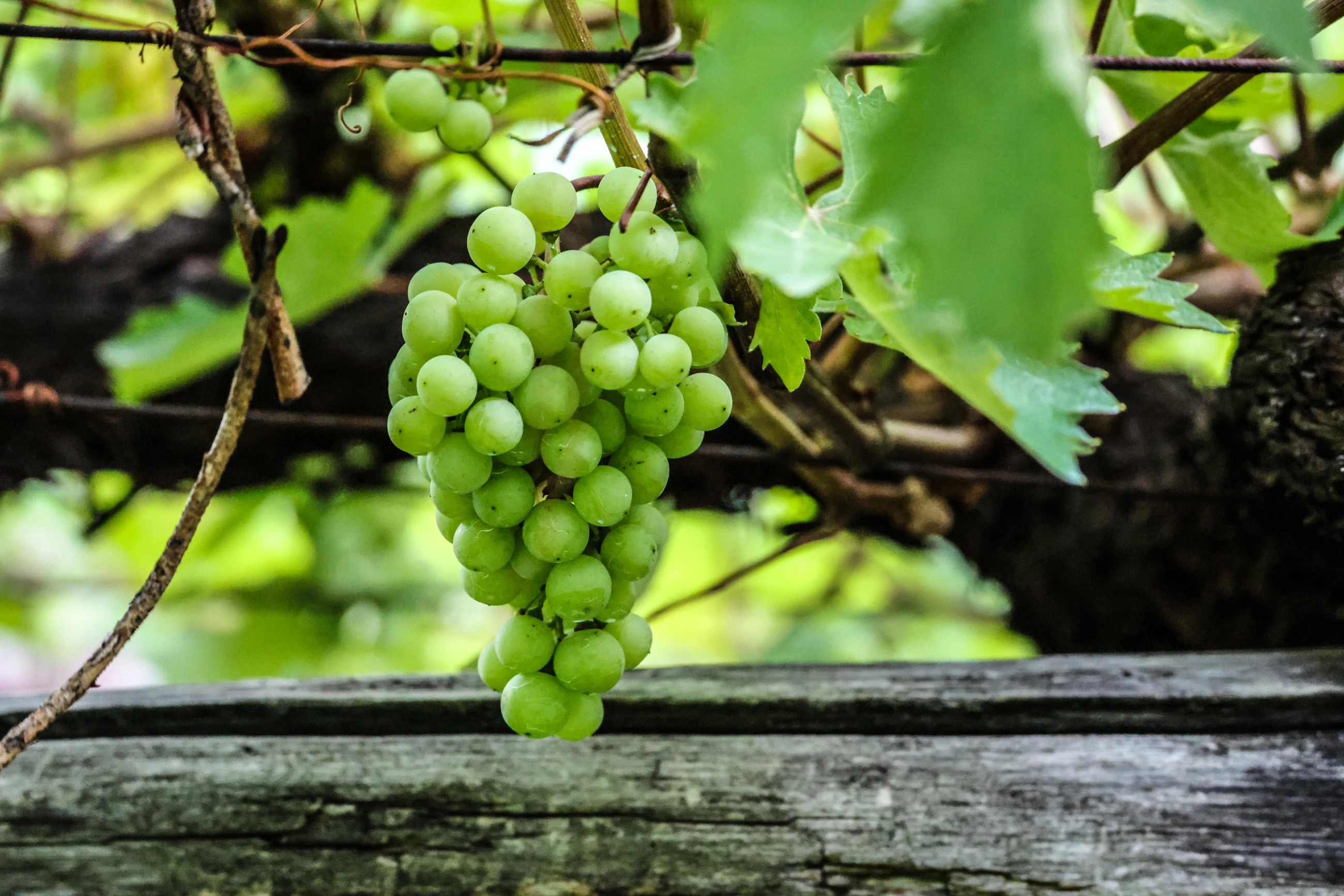
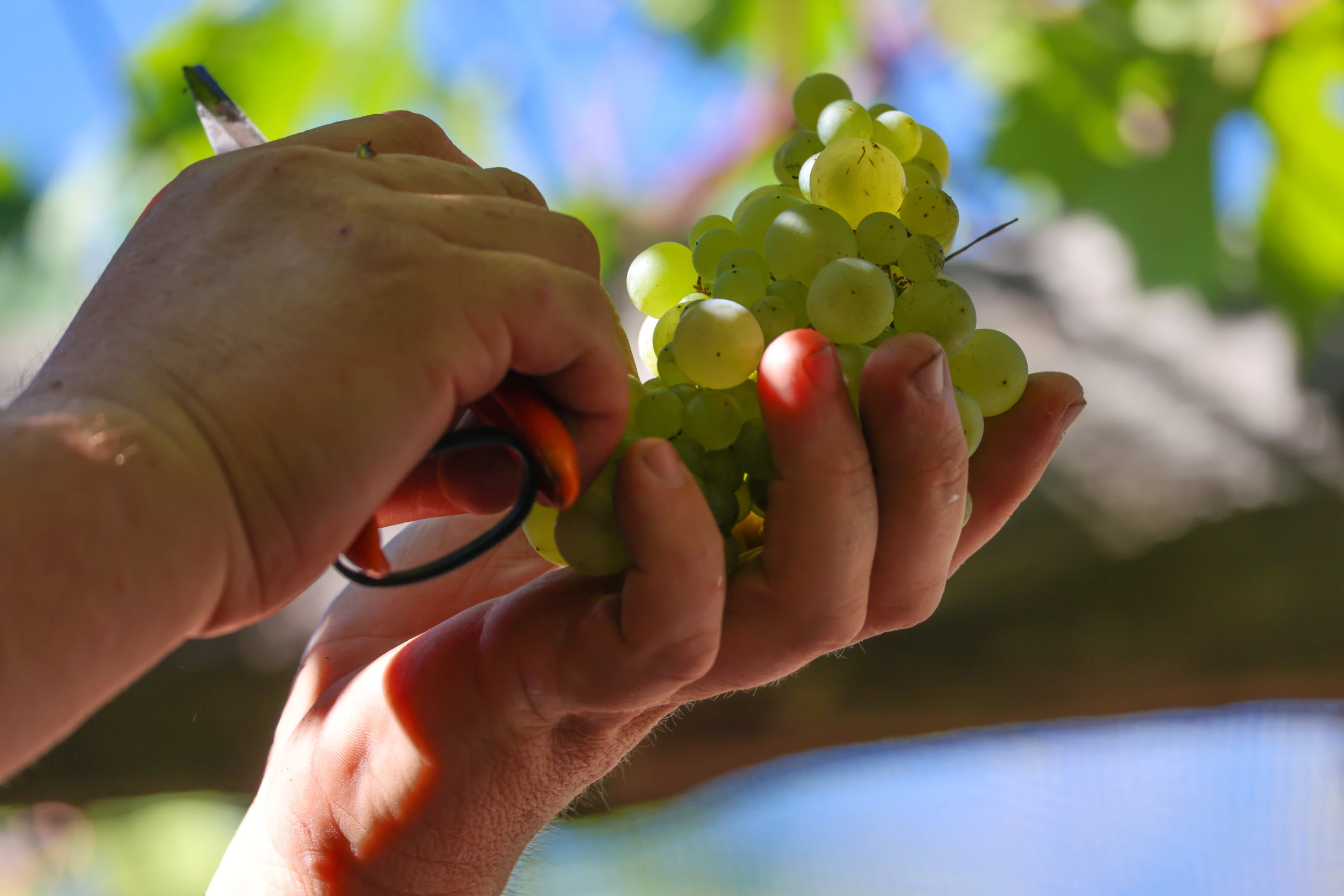
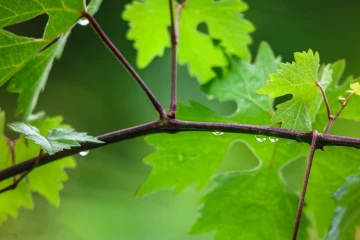
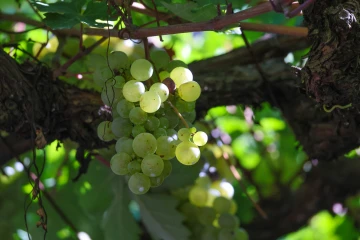
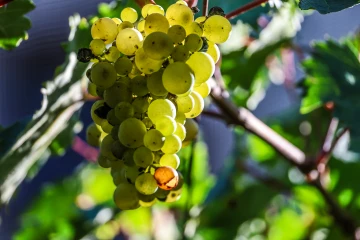
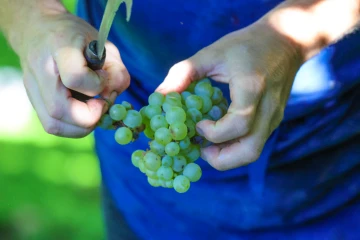
The leaves are deeply serrated, while the berries are medium-sized, yellow-green in colour and covered by a delicate, silky and almost translucent skin through which the seeds can be glimpsed.

The wine shows a pale yellow hue with green reflections and delicate aromas of citrus and quince. On the palate it is slender and mineral, driven by a vibrant acidity that shapes both its identity and its long finish.

Versoaln

Since 2024, the vine has been cared for directly by the Pobitzer family according to the principles of biodynamic agriculture, and in 2026 they chose to present Versoaln in a renewed appearance.

Production ranges from 50 to 250 bottles in the most generous vintages, yet remains, by its very nature, limited and impossible to reproduce elsewhere.

A new year, a new wine, since many hundreds of years. The expression of a place and the memory of a culture that reaches back through centuries of cultivation and care. Standing before this vine, one cannot help but feel small in the presence of the history held within its roots, while at the same time recognising the responsibility of preserving such a legacy for generations to come.

People and Contacts

The following individuals dedicate their passion to the Versoaln project:

Pruning and viticultural decisions: Jan Hendrik Erbach
Biodynamic treatments: Martin Peer
Vinification and bottling: Martin Gojer

Artworks: Francesca Ballarini
Texts: Andrea Scaramuzza
Photography: Martin Geier

For information about Castel Katzenzungen and the event space, please contact
mail Veronika Egger Pobitzer

For further information about the vine Versoaln and to purchase its wine, please contact
mail Caroline Pobitzer